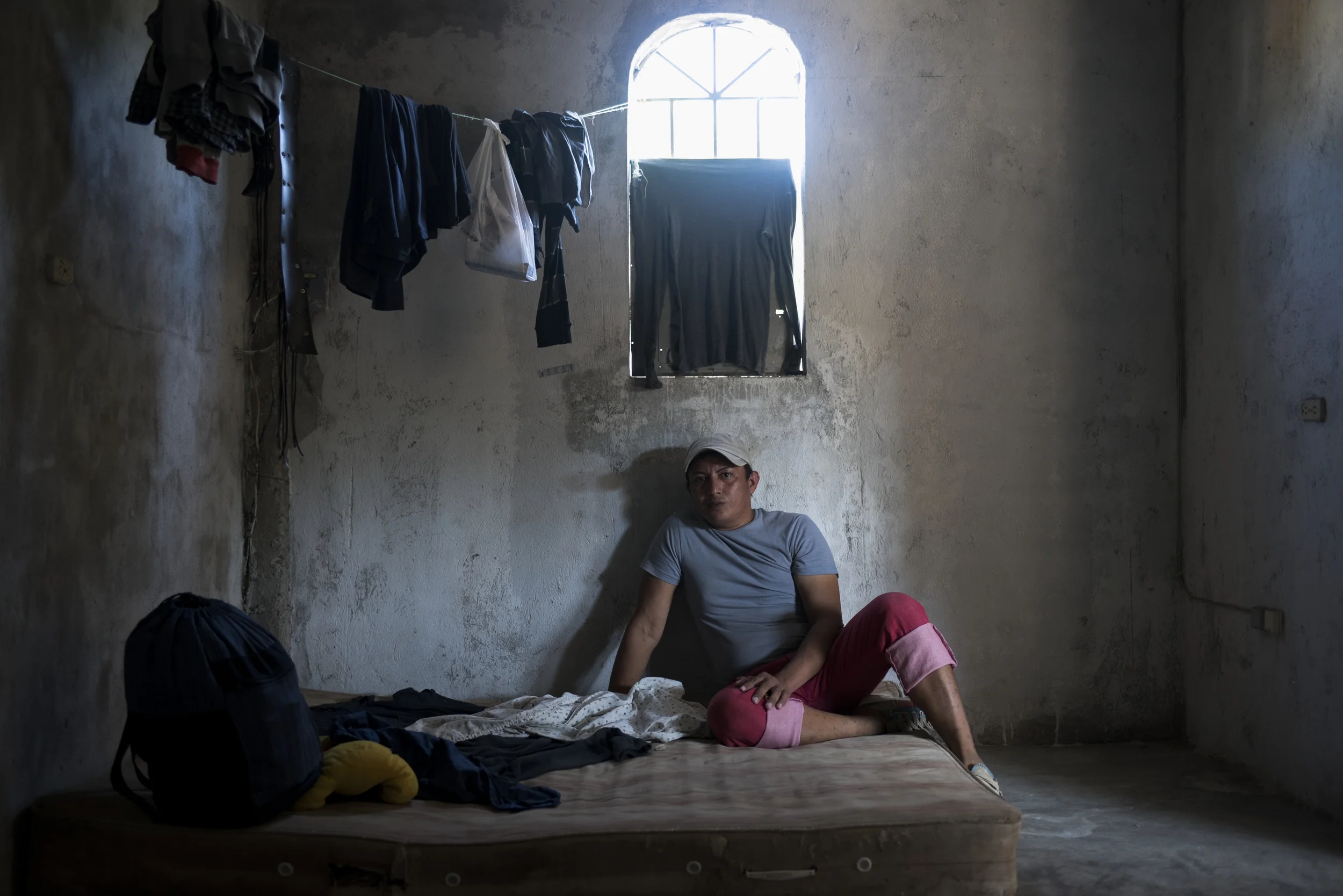
Last June, Mara Salvatrucha 13 (MS13) gang members approached Danilo Munguia, a 34-year-old transgender person, in Usulután, El Salvador, demanding that he deliver drugs for them. “I’m not one of those people,” he said. “Fine,” they replied, “but there will be consequences.” Days later, four members of the gang broke into Danilo’s home, beat him, and took turns raping him. The next day MS13 asked if he was ready to work with them. Again he said no. “Well,” came the reply, “you know what’s coming.” Danilo moved, but they found him and abused him again.
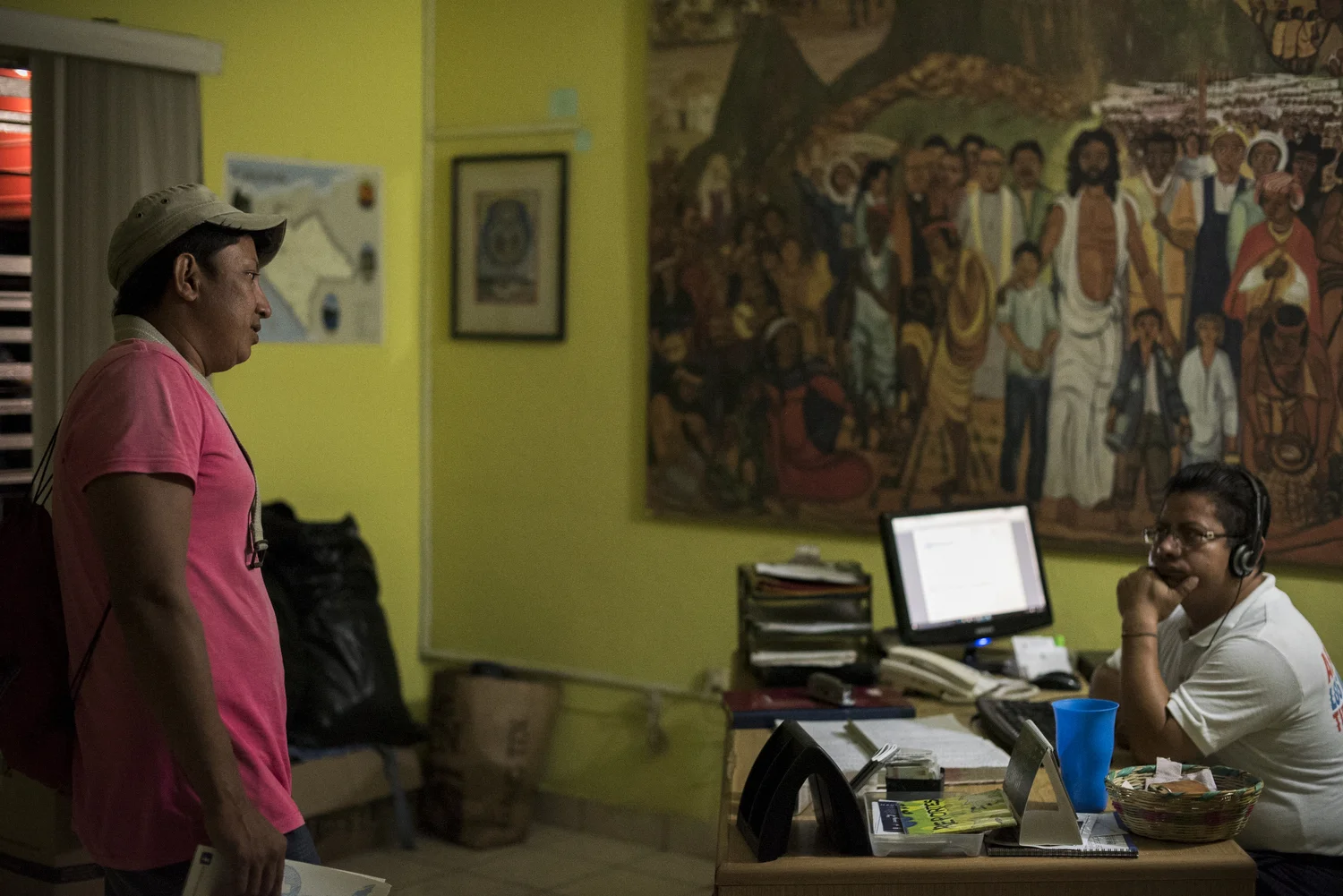
It was after this that he decided he could no longer stay in El Salvador. An aunt in Tijuana, Mexico, told him to come and live with her. “We don’t have anyone that supports us and when something like this happens, there is nothing you can do,” said Danilo, who is now living in the southern Mexican city of Tapachula, a major hub for refugees crossing into Mexico from Guatemala.
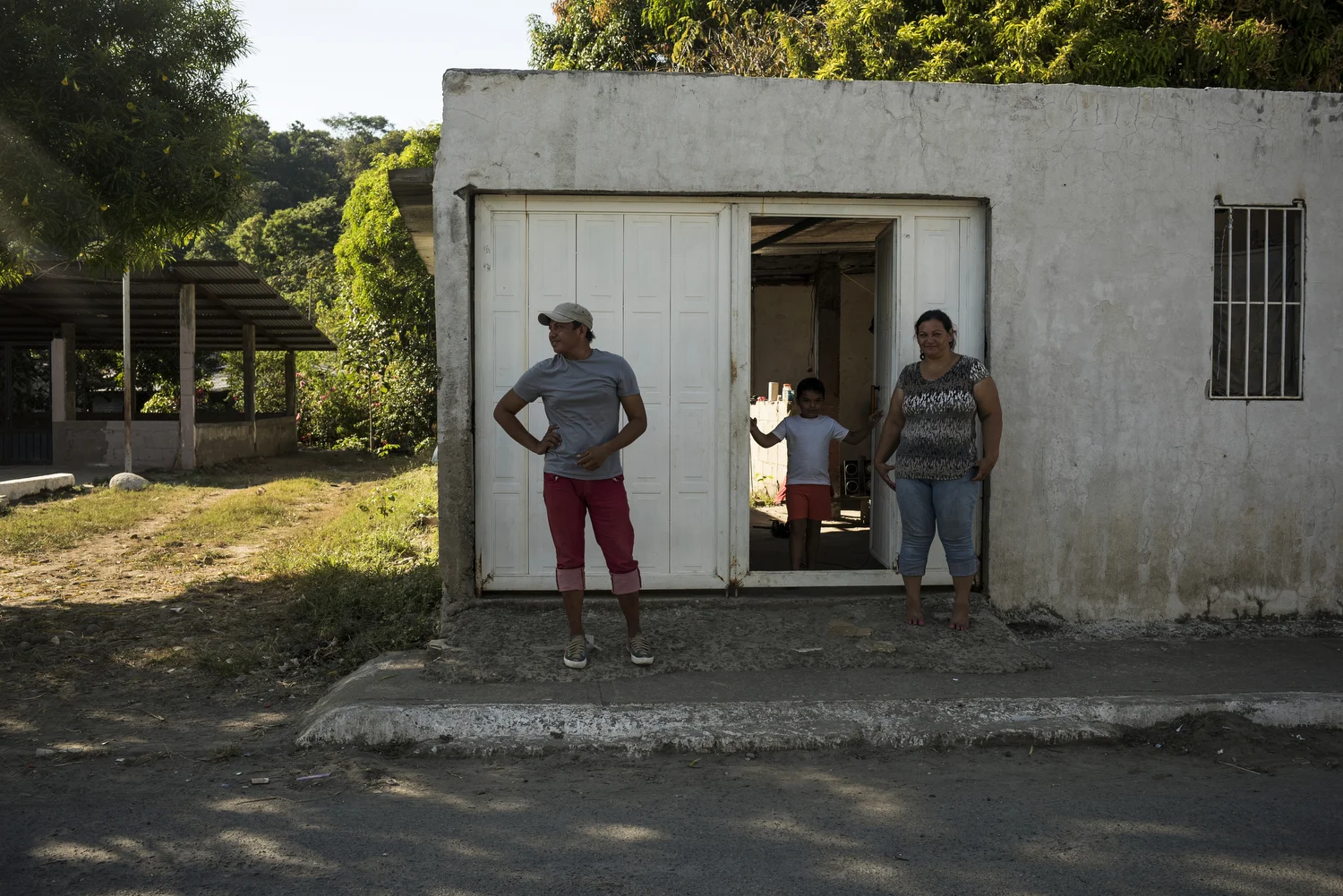
Danilo identifies as female but often uses male pronouns to refer to himself. Robbed of his female clothes, he has found it impossible to maintain his appearance traveling north. He is among the surprisingly high number of LGBT people fleeing the Northern Triangle to Mexico and the United States. In 2014, officials estimate there was one LGBT person arriving per week to Tapachula. In 2015, that number was closer to one per day.
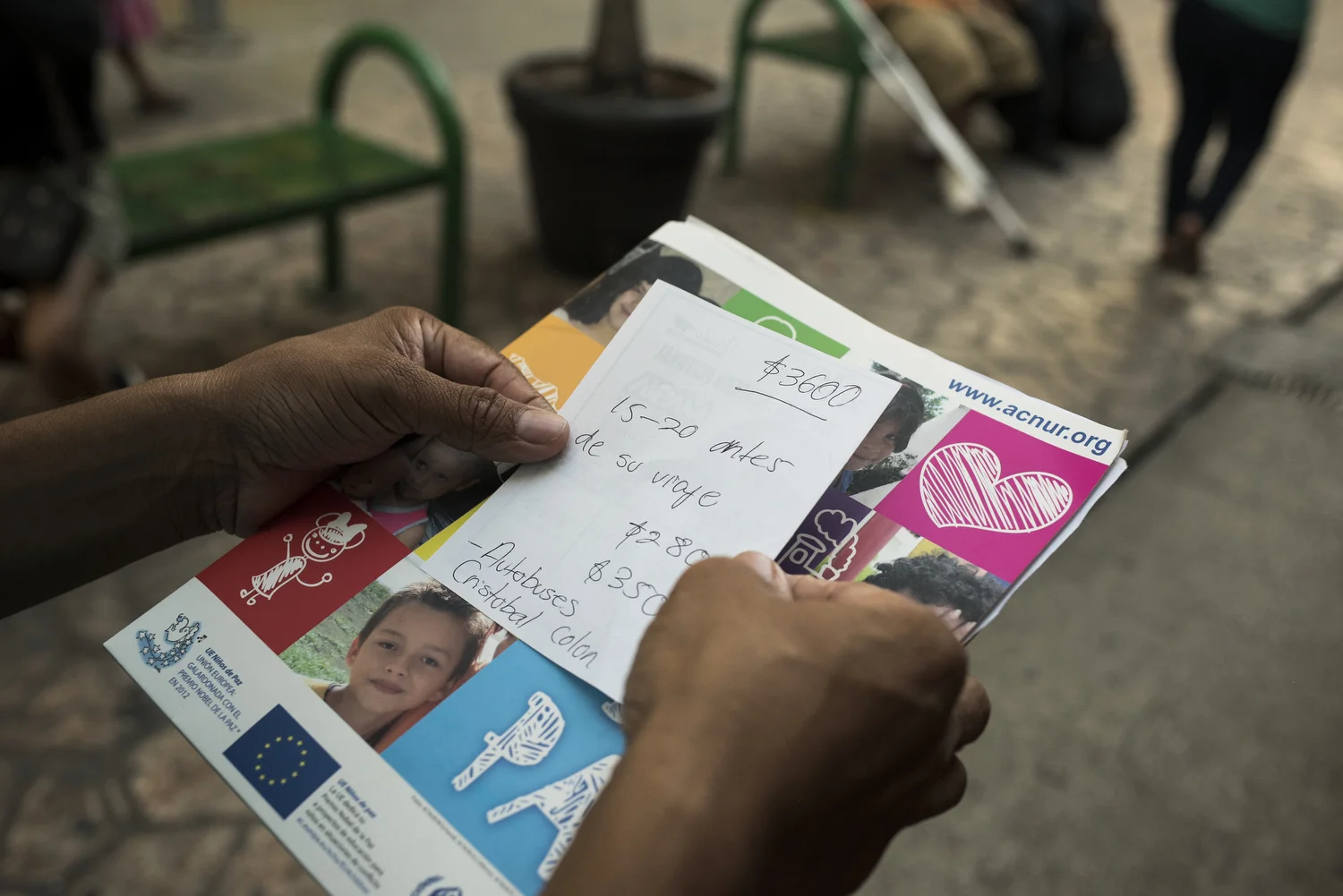
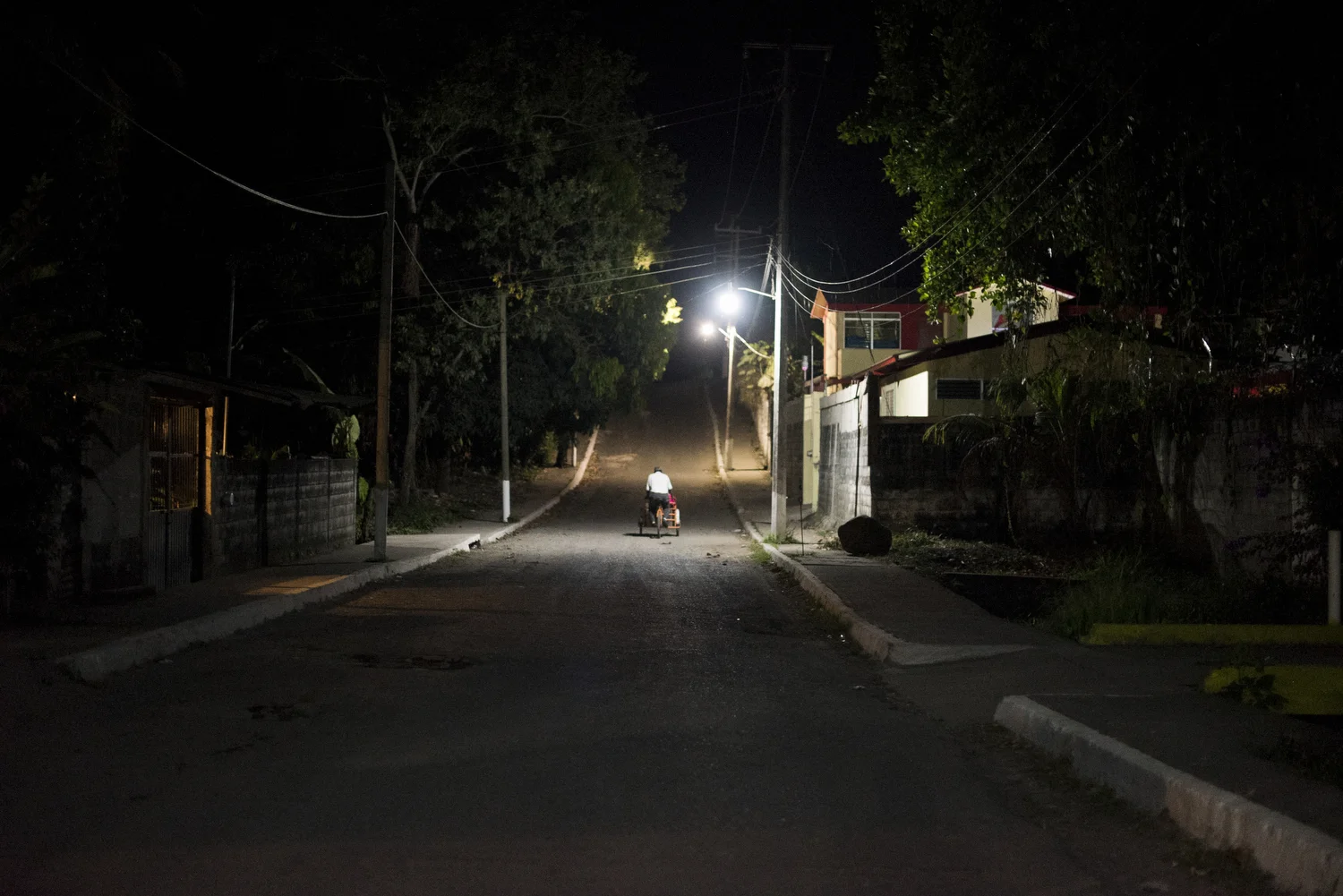
Though Tapachula is more tolerant of LGBT people than the countries they are fleeing, it still holds considerable danger for people like Danilo, who face additional challenges as transgender refugees. Finding a safe place to sleep is a persistent concern. Shelters, their capacity already strained by the enormous numbers of people pouring into the city, have a particularly hard time accommodating transgender refugees in facilities segregated by gender.
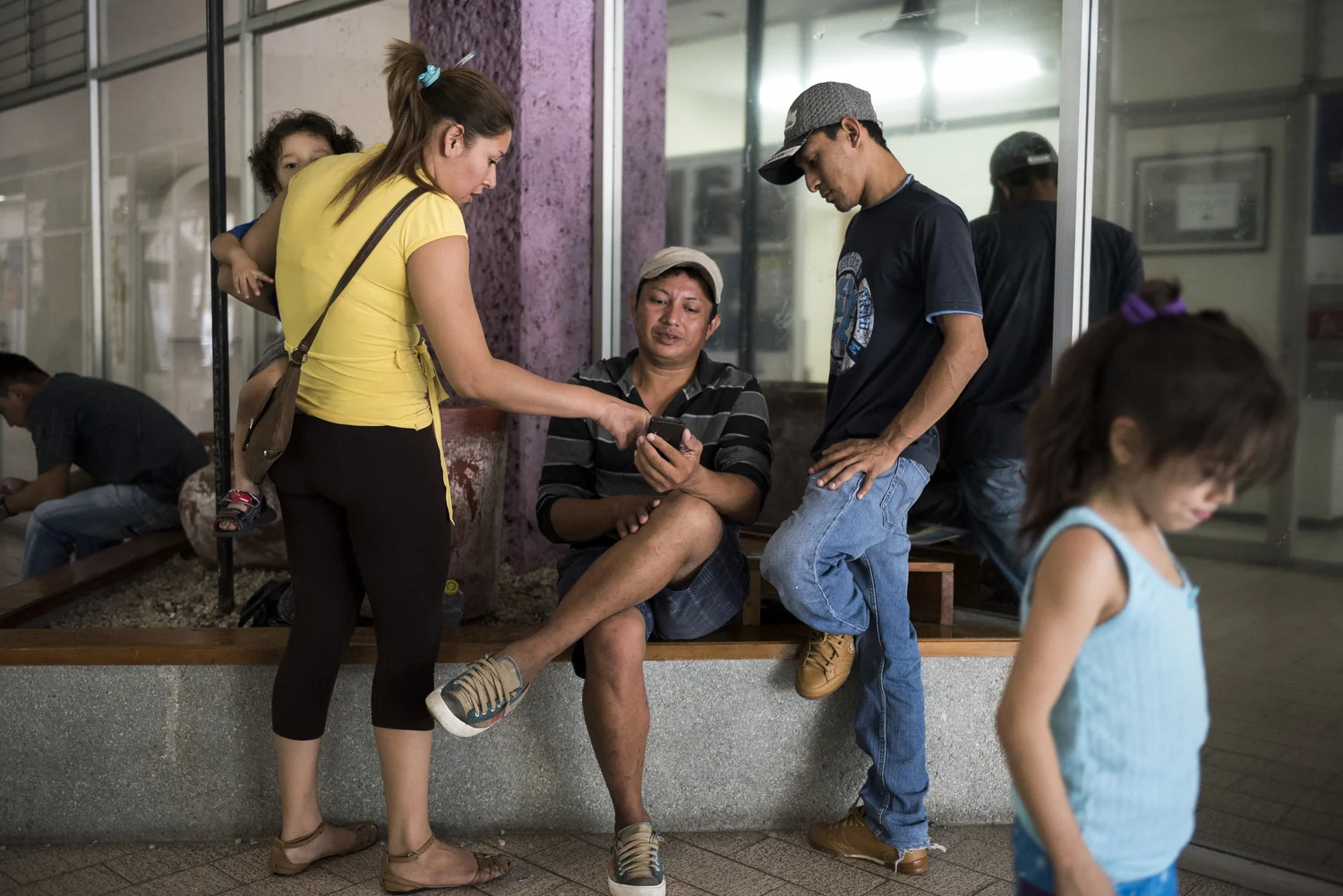
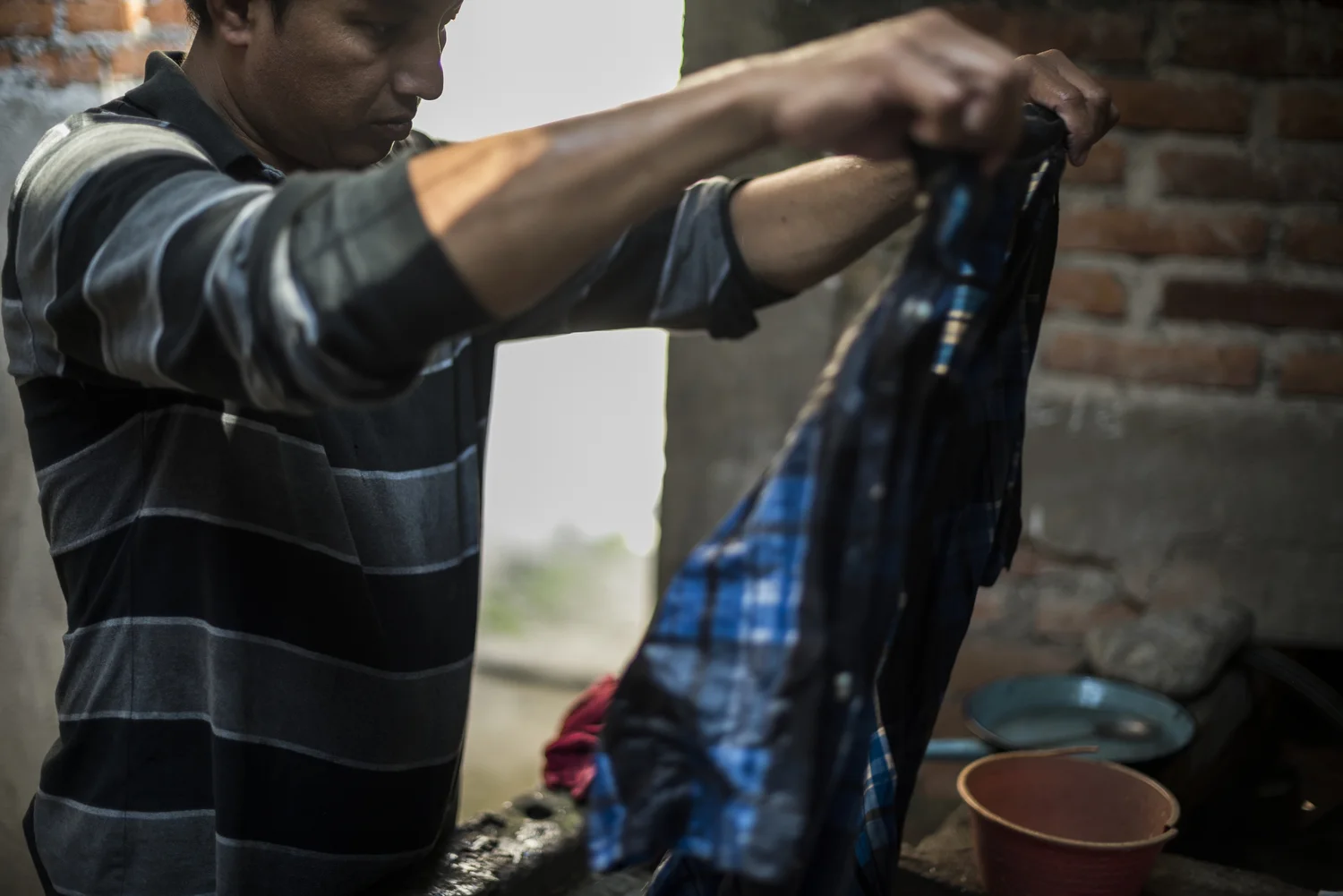
Danilo has had to move multiple times out of fear for his safety, as he waits for the government’s decision on his asylum application — a process that can take several months. At night he either sleeps on a concrete floor in a small room with three other refugees, on the sidewalk outside Tapachula’s Belén shelter or, if he’s lucky, on a bed inside.
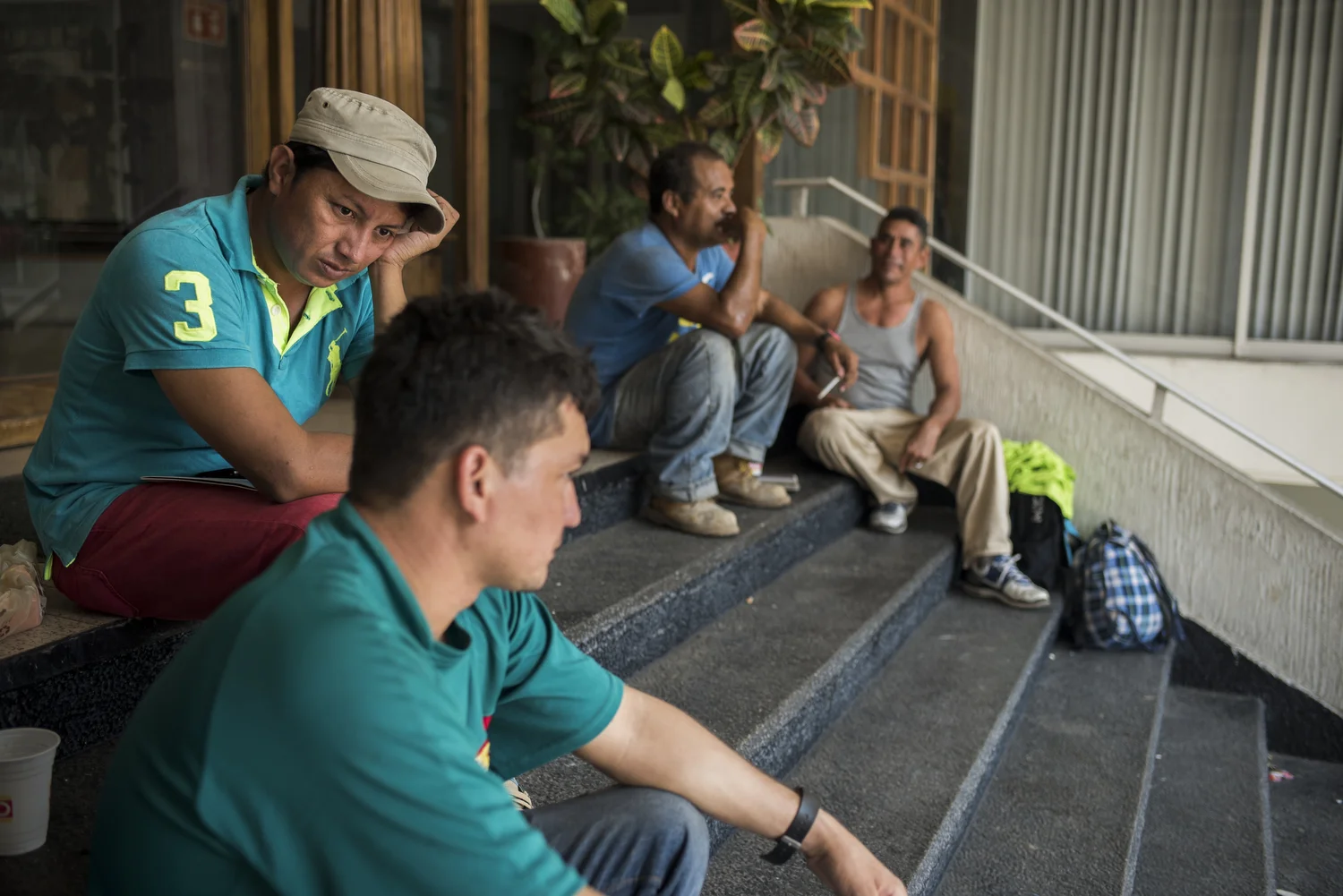
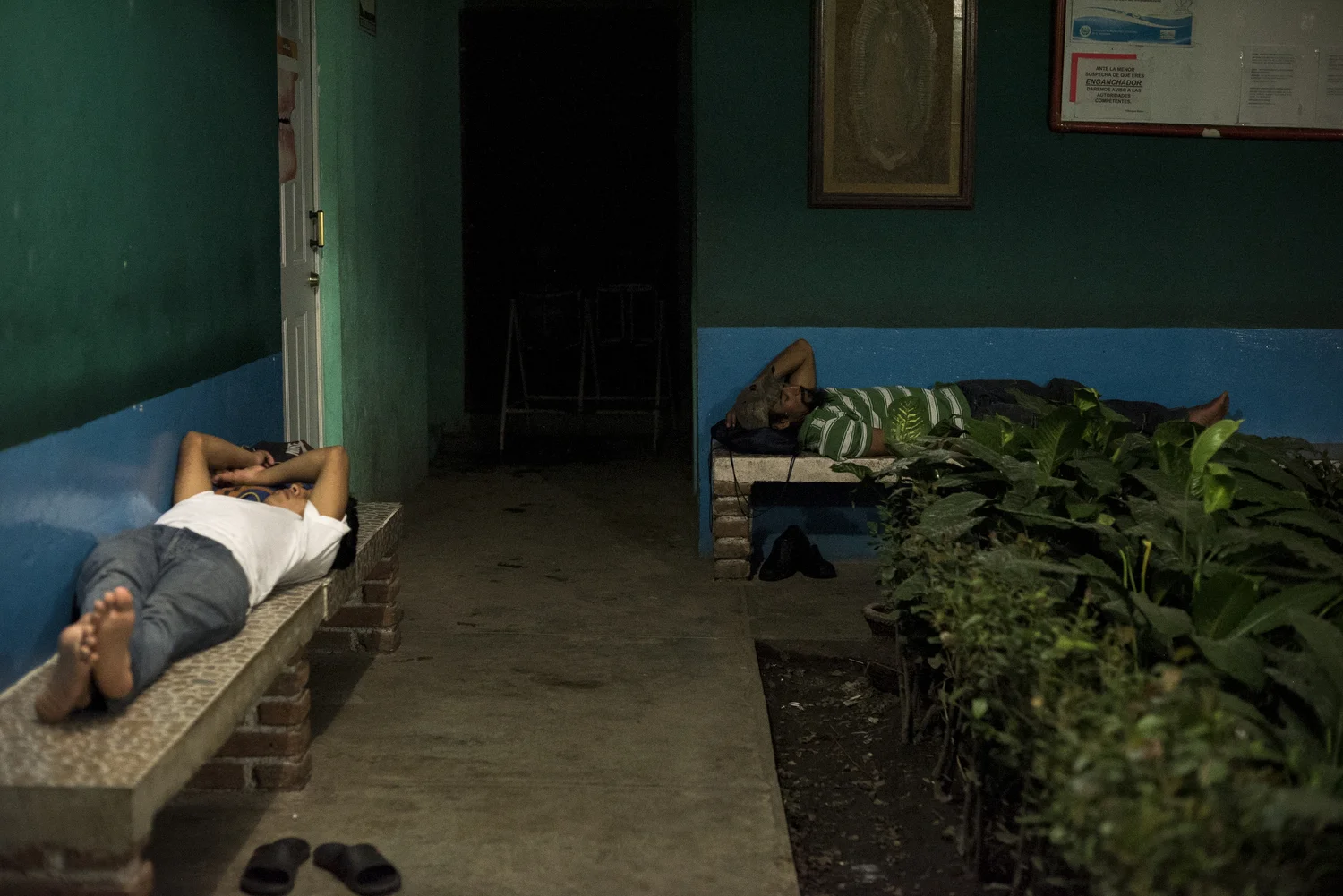
The danger comes from all sides, too. Jose, a transgender refugee from El Salvador who requested we not use his last name, says he was beaten by guards at a National Migration Institute (INM) detention center in Tapachula, where he spent 104 days waiting for the results of his asylum application. Rosember López Samayoa, the director of Una Mano Amigo, an organization that does HIV outreach to Tapachula’s LGBT community, says these complaints about INM are very common. According to López, the INM lacks adequate accommodations for transgender individuals; violence, rape and demands for sexual favors as the price of better treatment are all commonplace.
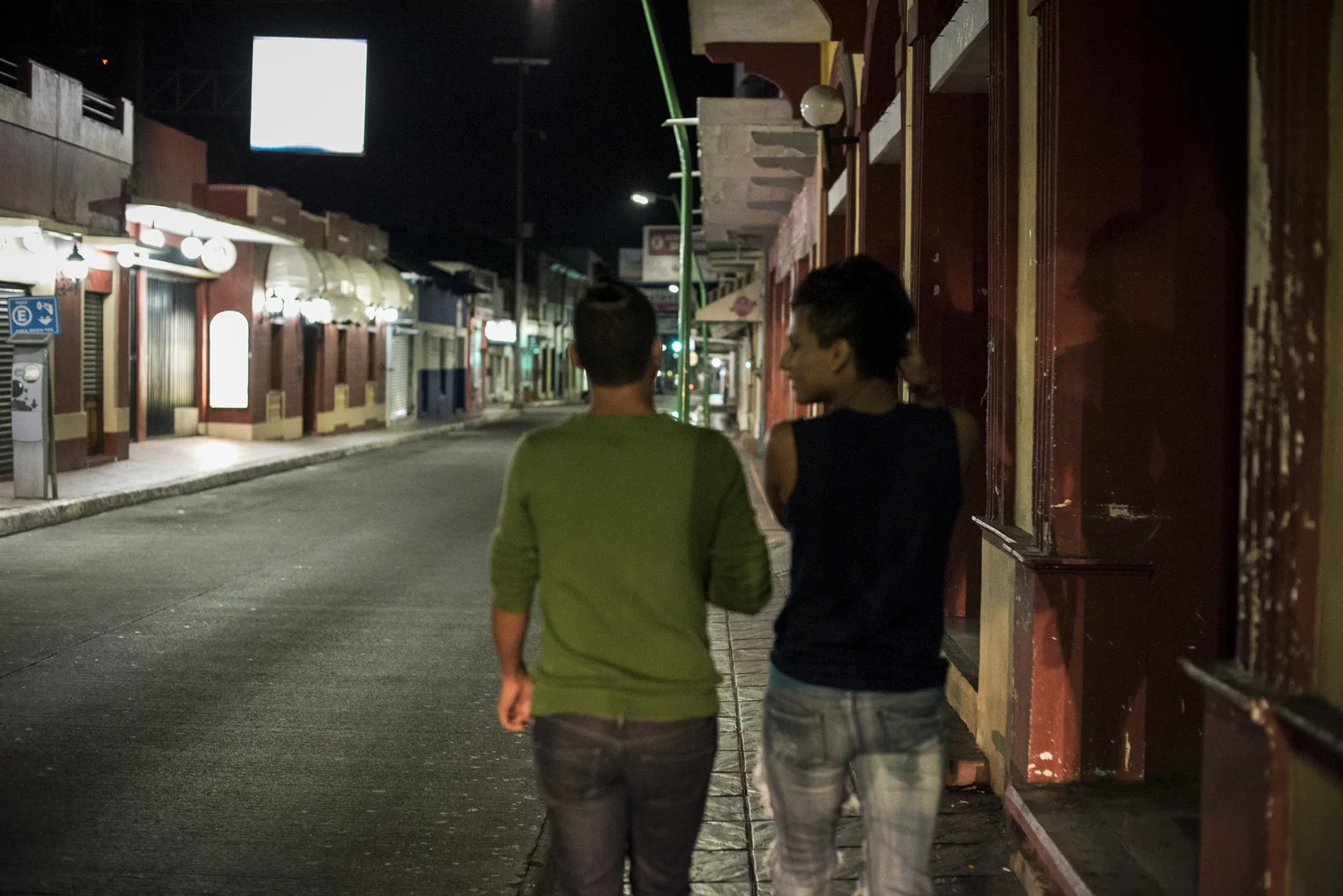
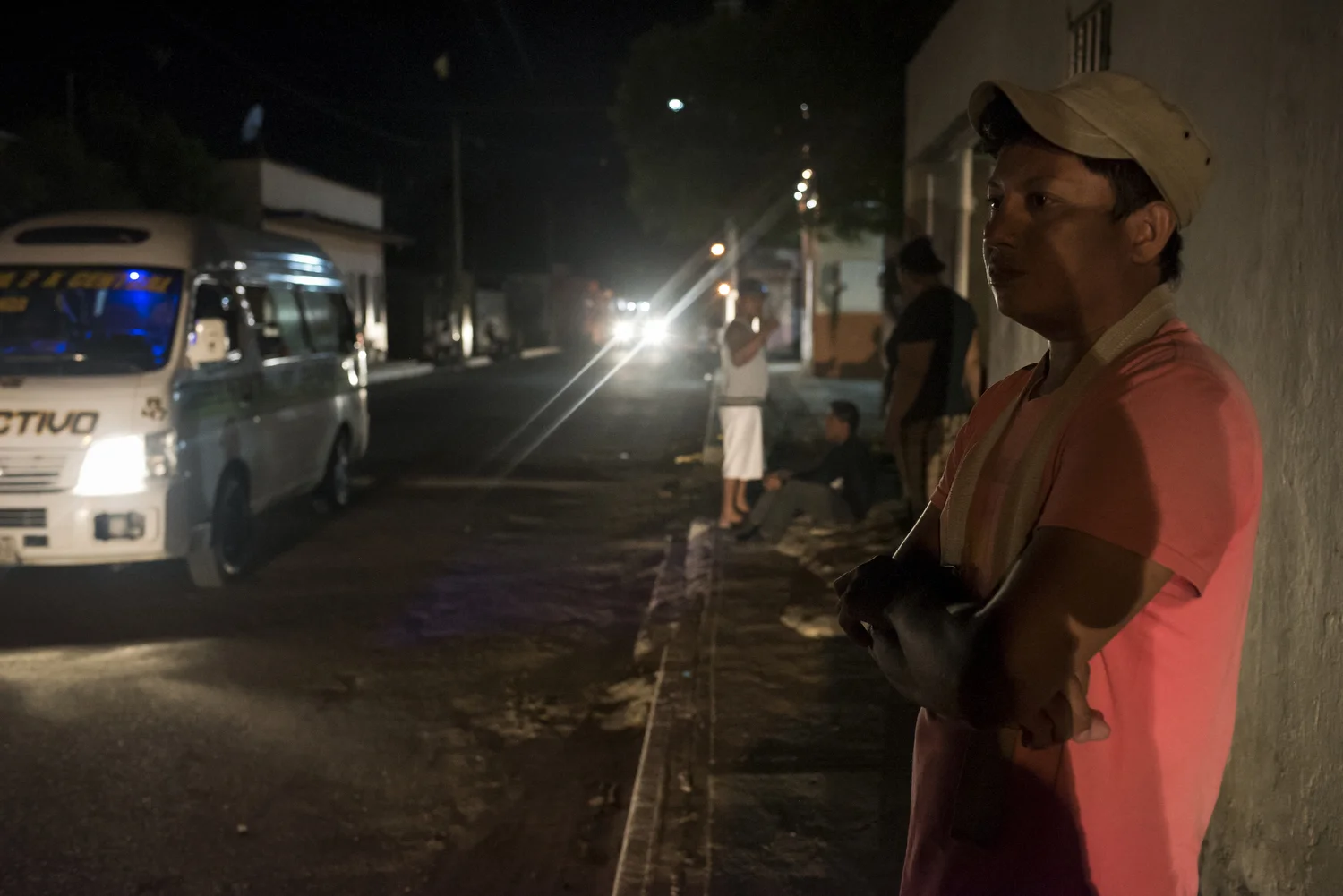
As he awaits a decision on his asylum application, Danilo spends his days trying to “forget my life” which, he said, “is like a book that always reads the same.” He dreams of getting to Tijuana and going to cosmetology school. But he confesses that he may end up working for a man he met on Facebook who recruits for adult movies in Tijuana. “Maybe just in the beginning, to make some money,” he said.